"Watch your diet and exercise more"— yet still can't lose weight?
In modern society, fast-paced lifestyles and high-fat, high-sugar diets have quietly led to the widespread prevalence of "metabolic syndrome". This condition manifests not only as weight gain but is also accompanied by a series of metabolic disorders, including type 2 diabetes (T2DM), fatty liver, hyperglycemia, and obesity, affecting 20%-25% of adults worldwide. Countless people find themselves trapped in the dilemma of "eating less and exercising more with little effect". The underlying reason is that the body's internal metabolic programs have not been truly activated. For a long time, regulating the gut microbiota through probiotic supplementation has been regarded as an important approach to improving metabolism. However, the survival challenges of live probiotics during processing, storage, and exposure to gastric acid, as well as the risk of causing systemic infections in immunocompromised individuals, have limited their widespread application. Against this backdrop,the scientific community has turned its attention to a rising star -postbiotics.Postbiotics refer to non-viable microbial preparations and their components. They retain the core essence of probiotics but are safer and more stable than live bacteria, making them a highly promising new therapeutic alternative.
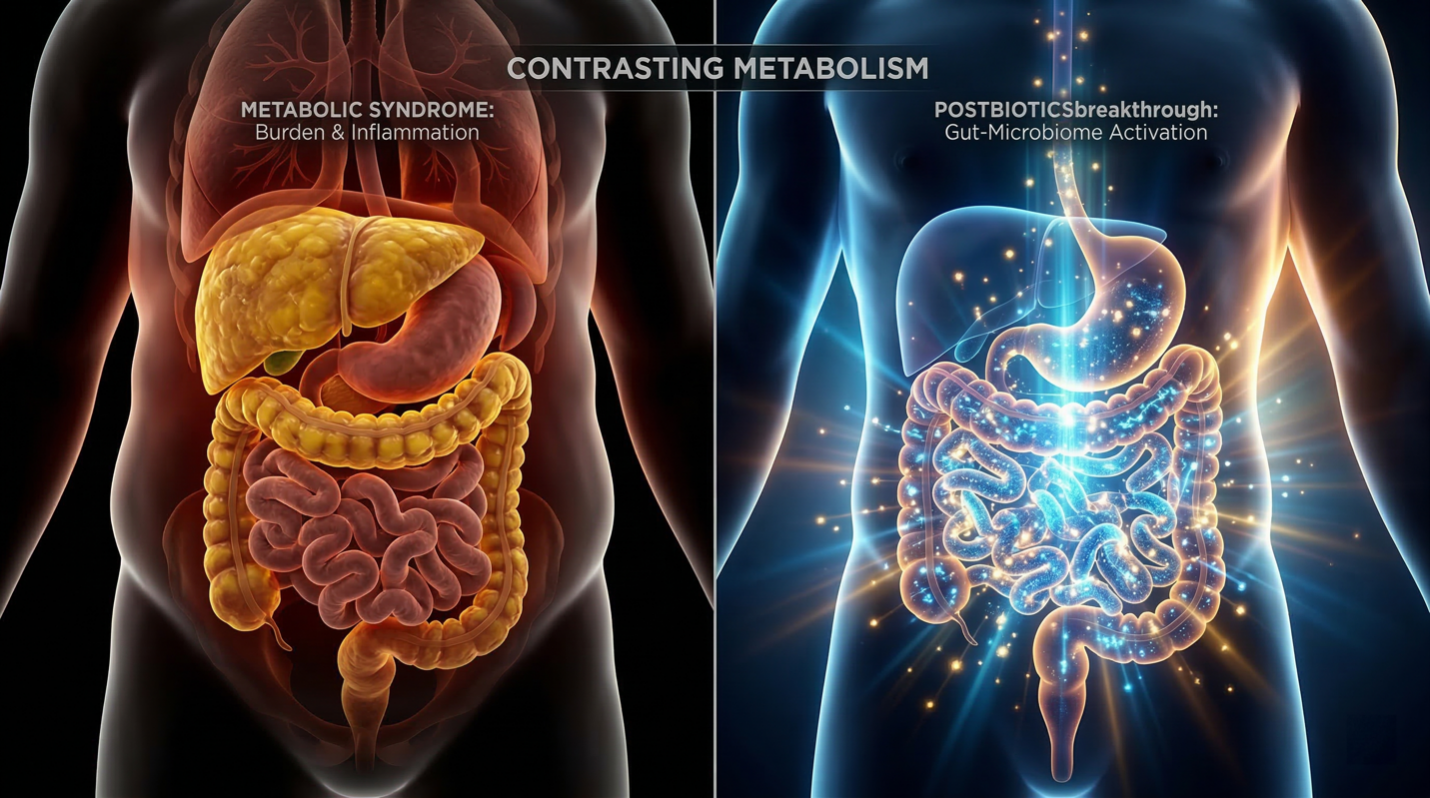
Figure 1: Mechanism of Metabolic Syndrome Reversal from the Perspective of the Gut-Metabolism Axis
Recently, Professor Xie Liwei's team from the Faculty of Synthetic Biology at Shenzhen University of Advanced Technology published a groundbreaking study titled “Probiotics-derived postbiotics improve host metabolic syndrome by activating the adipocyte thermogenic signaling pathway in high-fat diet-fed mice” in the international academic journal iMetaOmics. This study is the first to systematically reveal that postbiotics derived from native Chinese probiotic strains can effectively reverse metabolic syndrome induced by high-fat diets by reshaping the gut microbiota and activating the "fat-burning and thermogenesis" switch in adipocytes.
Why Can’t You Lose Weight?Perhaps Because Your Body Has Forgotten How to "Burn"
Many people hold a misconception on their weight-loss journey: they believe that extreme dieting alone is enough to lose weight. However, scientific reality shows that if the body's"metabolic engine"is not ignited, efforts will yield twice the work for half the result. The breakthrough value of Professor Xie Liwei's team lies in thein-depth revelation of the precise molecular mechanisms by which postbiotics exert their effects. The core highlights of this study can be summarized in the followingthree dimensions of breakthroughs:
1."Golden Extract"from Core Functional Strains of Native Populations
The research team prepared postbiotic preparations from five probiotic strains (including Lactobacillus and Bifidobacterium) derived from healthy human bodies as a substitute for live bacteria. In a mouse model of metabolic syndrome induced by a high-fat diet, these postbiotics demonstrated significant and comprehensive improvements. The experimental results showed that supplementation with such postbiotics not only effectively suppressed excessive weight gain but also significantly improved glucose tolerance, enhanced insulin sensitivity, and markedly alleviated fatty liver (hepatic steatosis), providing solid evidence for intervening in metabolic syndrome from the gut perspective.
2. Awakening Dormant Fat: Turning "Storage" into "Burning"
Why can postbiotic supplementation improve metabolism? Through transcriptomic analysis, the research team found thatthe effects of postbiotics are not limited to local action in the gut but can systematically upregulate the expression of key genes related to “thermogenesis” and fatty acid oxidation in adipose tissue, while downregulating the gene networks responsible for lipid synthesis in the liver.In simple terms, postbiotics act like a“metabolic reprogramming”command to the body, transforming fat that was originally used for “storing” calories into a state capable of “burning” and consuming calories.
3. Identifying the Key "Messenger"Molecule:IAA
Even more excitingly, the research team identified the key “messenger” in this mechanism. The study found that postbiotic intervention successfully reshaped the structure of the gut microbiota. Targeted metabolomics revealed a significant increase in the blood levels of indole-3-acetic acid (IAA), a molecule produced by gut microbes through tryptophan metabolism. Subsequent functional studies confirmed that the presence of IAA is sufficient to trigger the expression of thermogenic genes in primary adipocytes and activate the core switch of energy metabolism — the AMPK signaling pathway. This clearly elucidates a complete action axis of “postbiotics reshaping the microbiota — producing the key metabolite IAA — IAA activating adipocyte thermogenesis through blood circulation,” providing a solid theoretical foundation for the efficacy of postbiotics.
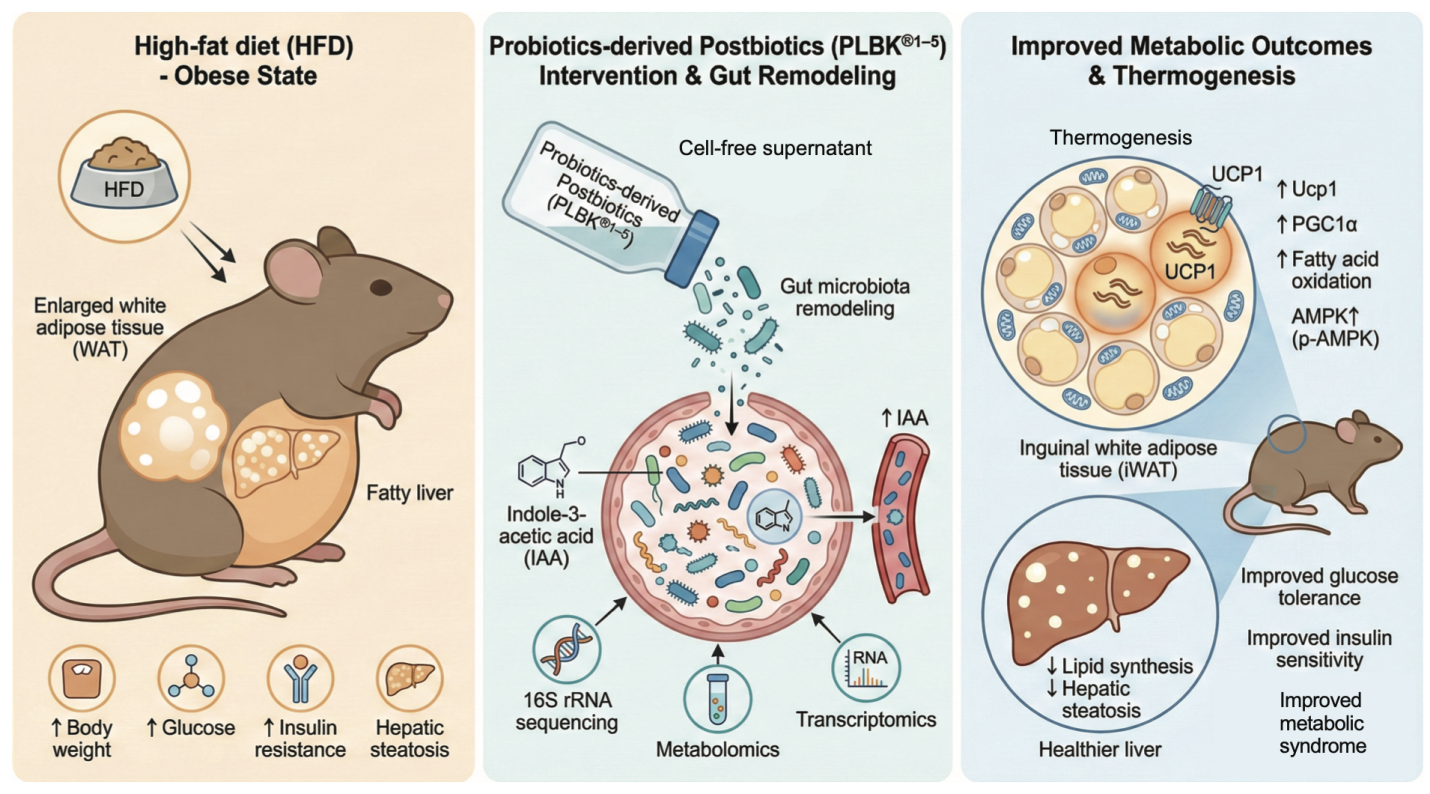
Figure 2: Postbiotics Alleviate Metabolic Syndrome
Healthy Weight Loss May Not Require Extreme Confrontation
This study is not only a high-level paper revealing cutting-edge biological mechanisms but also provides patients with metabolic syndrome a"golden key"with brand-new solution ideas and intervention strategies. It tells us that the key to overcoming obesity and metabolic diseases may not lie in extreme restraint,but in how to cleverly regulate the gut ecosystem through the gentle scientific intervention of "postbiotics", allowing beneficial metabolites (such as IAA) to become the "fat-burning commanders" in our bodies. This research not only points the way for developing safer and more standardized treatment strategies for metabolic syndrome but also once again highlights the central role of the “gut microbiota-metabolite” axis in human health.
Master's students Tian Ye and Huang Liujing from Southern Medical University are the first authors. Professor Xie Liwei and researchers from the Faculty of Synthetic Biology at Shenzhen University of Advanced Technology, the Institute of Microbiology of the Guangdong Academy of Sciences, the State Key Laboratory of Applied Microbiology in South China, and the Synthetic Human Microbiome and Human Health Research Team are the corresponding authors. This research was supported by the National Natural Science Foundation of China, the National Key R&D Program, and Major National Science and Technology Projects.
Link:https://onlinelibrary.wiley.com/doi/full/10.1002/imo2.70089



 Address: No. 1 Gongchang Road, Guangming District, Shenzhen
 Tel: 0755 8880 2424
 Email: synbiofaculty@suat-sz.edu.cn
 Postal Code: 518107