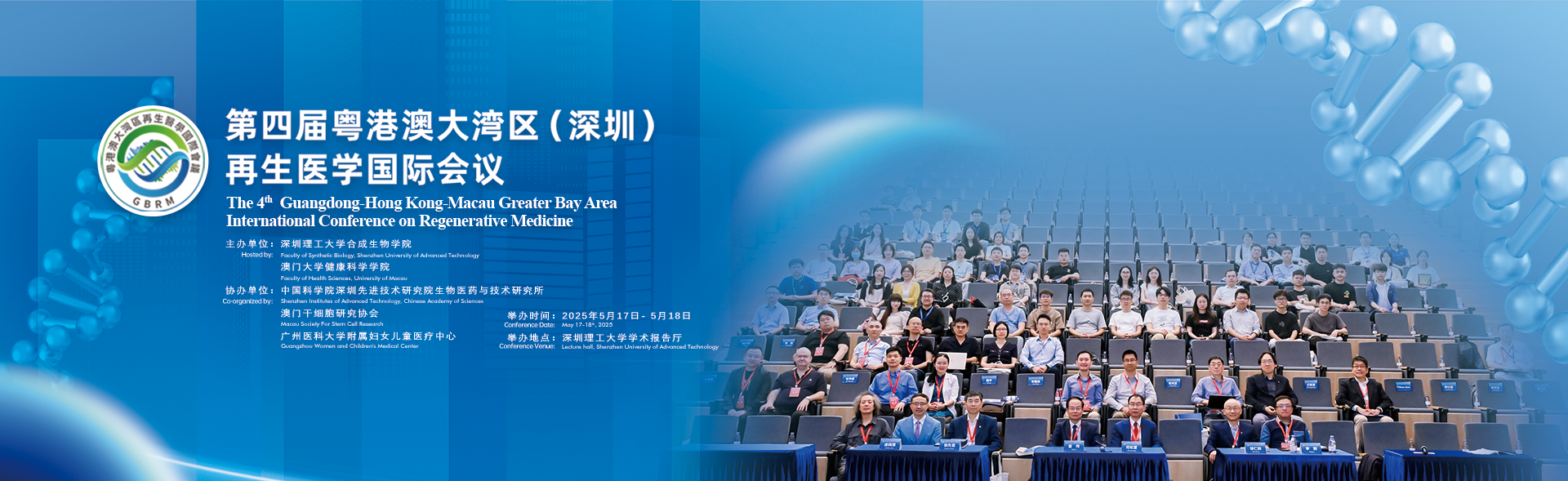
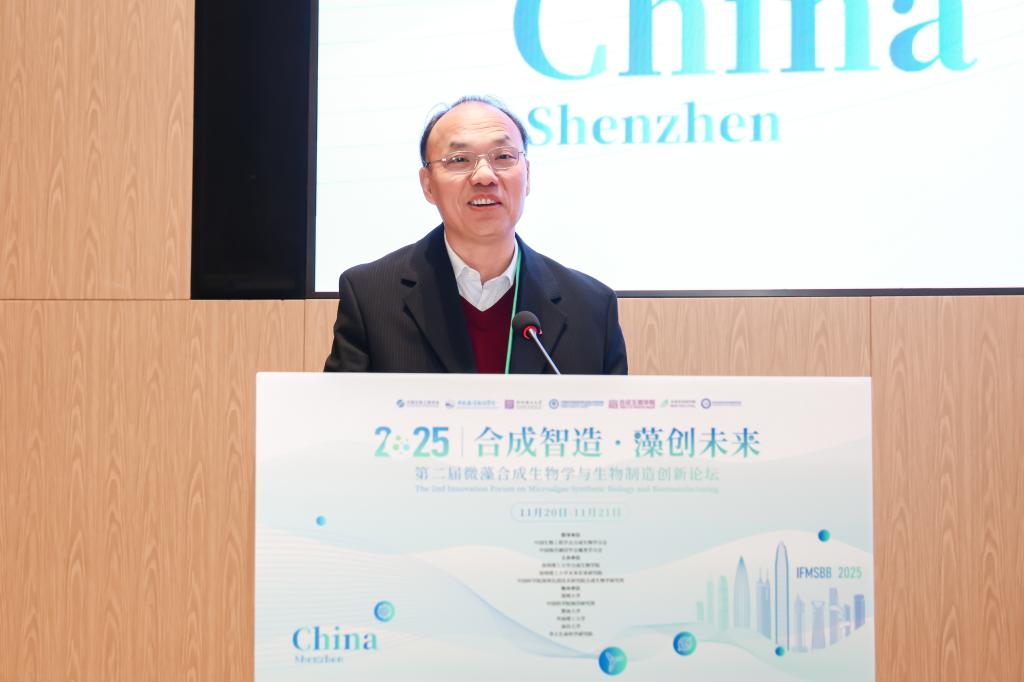
From December 5 to 9, the Second International Symposium on Agricultural and Plant Synthetic Biology was held at Shenzhen University of Advanced Technology (SUAT). This symposium represents a high-profile, high-level, and highly participatory annual academic event in the field of agricultural and plant synthetic biology, gathering important guests from government, industry, academia, and research sectors, along with authoritative experts in the field, to build a high-level international exchange platform. The symposium was jointly hosted by the Institute of Emerging Agricultural Technology at Shenzhen University of Advanced Technology (SUAT), the Faculty of Synthetic Biology and the Chinese Society of Biotechnology. It was co-organized by Haixia Institute of Science and Technology of Fujian Agriculture and Forestry University, the Hunan Academy of Agricultural Sciences, Shenzhen University, and the Shenzhen Biological Medicine Promotion Association.
The theme of this symposium was “Synthetic Biology: A New Gate to Uncovering Fundamental Principles of Plant Biology and Innovating Agricultural Biotechnologies.” It specially invited more than 50 top scholars from 10 countries, including Australia, Germany, France, the Netherlands, the Czech Republic, Portugal, the United States, Switzerland, Israel, and China, representing over 30 renowned universities and research institutions. The in-depth participation of distinguished guests fully demonstrated the symposium's international perspective and academic authority. The conference also attracted more than 300 outstanding young scholars and innovative talents to gather offline. The content of this conference was cutting-edge, receiving high praise and widespread recognition from attendees.
At the opening of the conference, Dijian Zhu, Party Secretary of Shenzhen University of Advanced Technology (SUAT), emphasized in his address: The curriculum design at Shenzhen University of Advanced Technology (SUAT) fully considers industrial demands and is closely aligned with Shenzhen's “20+8” industrial system, adopting an integrated development strategy for education, technology, and talent. Synthetic biology is driving fundamental transformations in industries such as agriculture, medicine, and energy with unprecedented depth and breadth. The deep integration of agriculture and synthetic biology signifies not only breakthroughs in the laboratory but also foreshadows the growth of a new generation of crops in future fields that are more nutritious, more resilient, and more sustainable, providing innovative solutions to global challenges in food security and ecology.
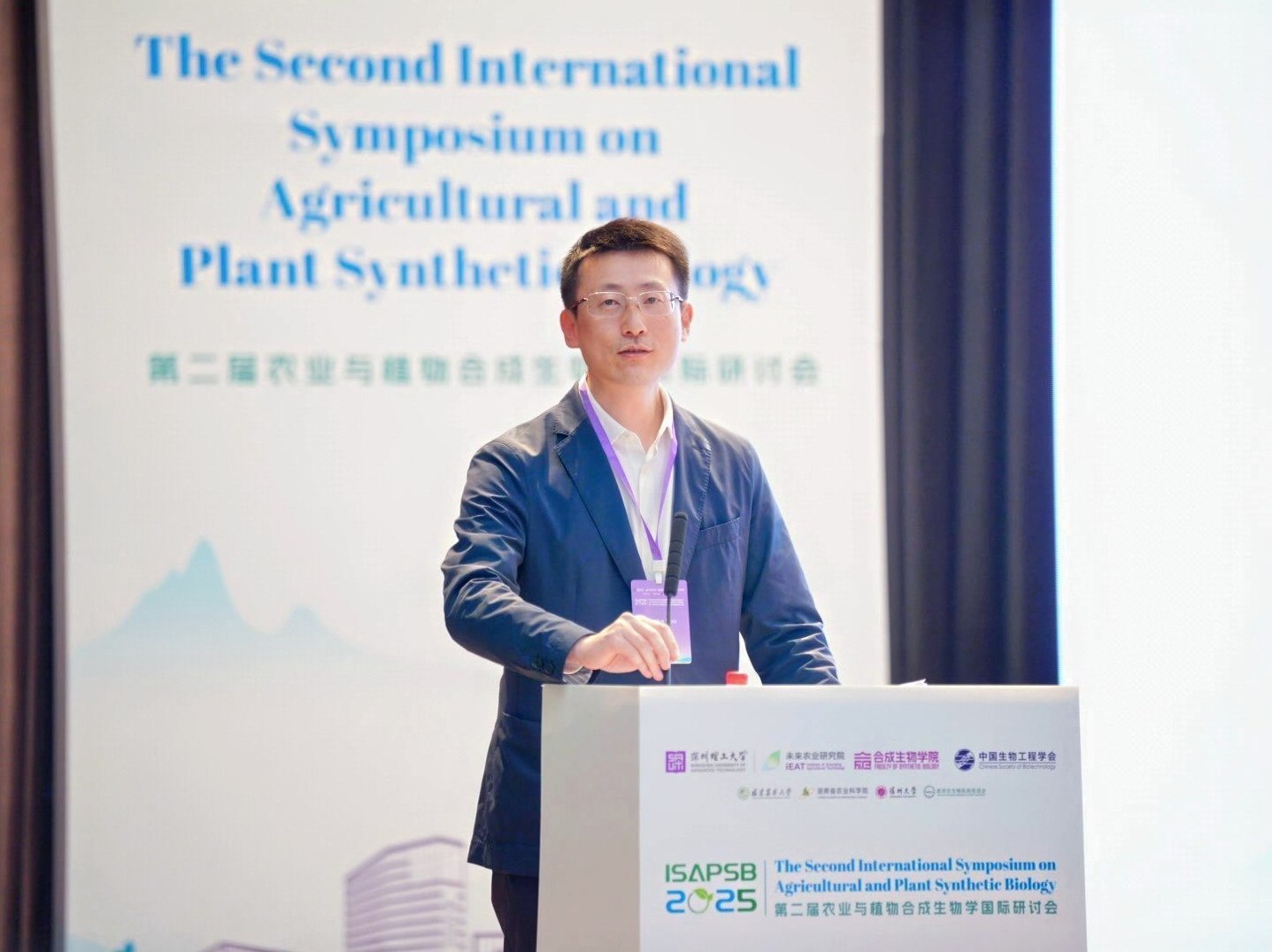
Gaoke Yao, Member of the Standing Committee of the Guangming District Committee and Executive Deputy District Mayor of Shenzhen, stated: The nation places high importance on the development of cutting-edge technologies in agricultural synthetic biology. As the core track for developing synthetic biology as a new productive force, Guangming District is fully committed to creating the optimal industrial ecosystem. Currently, Guangming Science City, with a series of major platforms as innovation sources and transformation engines, is building a full-chain service system from research and development to industrialization. We sincerely invite experts, scholars, and entrepreneurs to visit Guangming, choose Guangming, and join hands to build Guangming Science City into a globally influential hub for synthetic biology innovation.
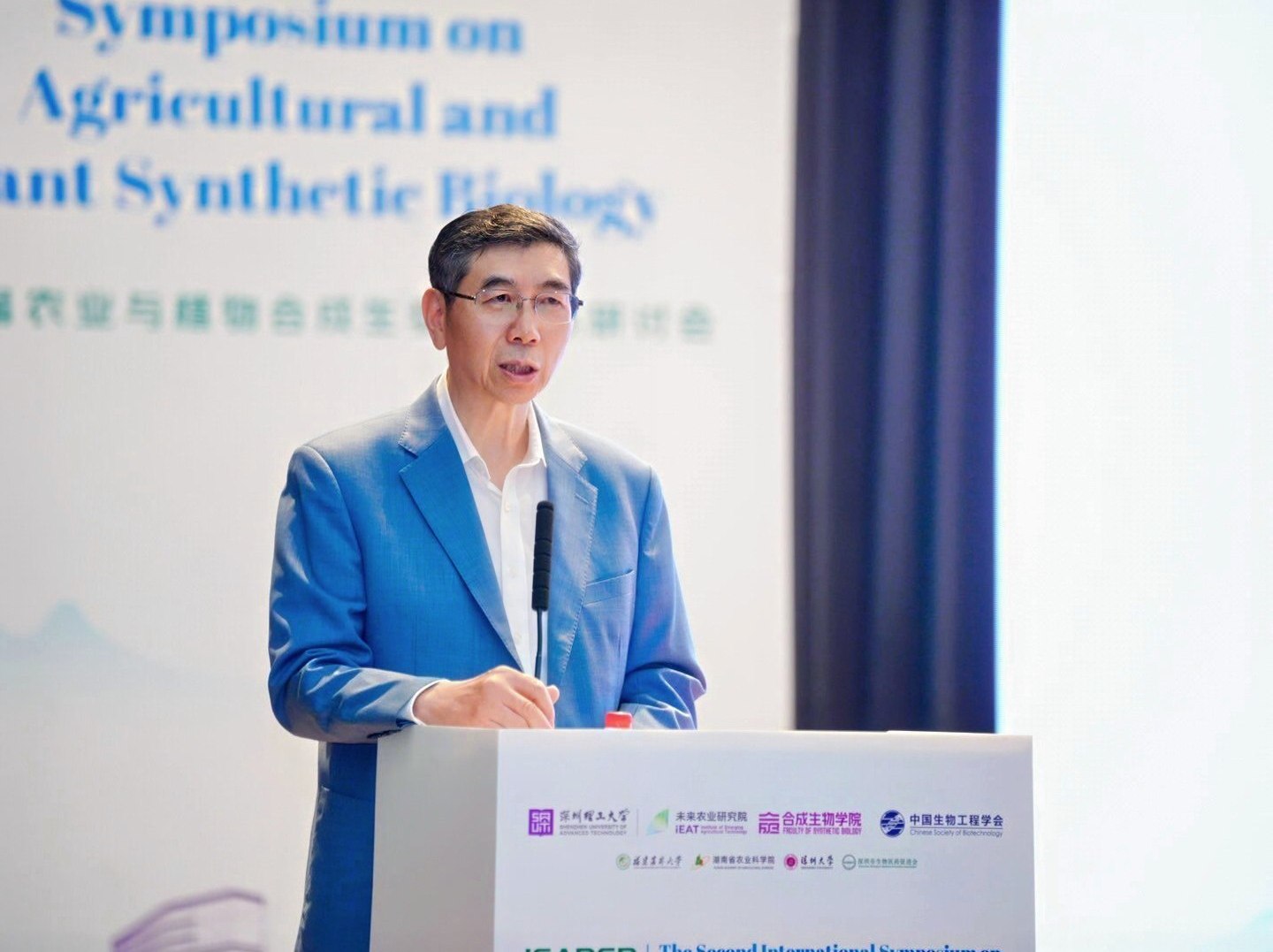
Xian-En Zhang, Dean of the Faculty of Synthetic Biology at Shenzhen University of Advanced Technology (SUAT), mentioned: Under the strategic layout of Shenzhen designating synthetic biology as one of the eight key future industries, along with strong policy support, the development momentum of this discipline is encouraging. We attach great importance to building an academic exchange ecosystem, continuously fostering an open, collaborative, and innovative academic atmosphere, and striving to establish a new type of research-oriented university with Shenzhen characteristics. We extend our heartfelt thanks to all experts and scholars for their longstanding support and contributions to the development of synthetic biology disciplines in Shenzhen.
During the five-day symposium, participating experts conducted in-depth exchanges across nine major topics. From cross-species research spanning microorganisms to human health, to innovative development of sensors and tools; from practical explorations in sustainable agriculture and food security, to precise design in natural product metabolic engineering; from breakthroughs in barriers to crop improvement, to mechanistic analysis of plant-environment interactions—every segment was filled with collisions of cutting-edge ideas.
Distinguished scholars in attendance included Academician Xiaoya Chen of the Chinese Academy of Sciences and Researcher at the Shanghai Institute of Plant Physiology and Ecology, Chinese Academy of Sciences; Academician Lijia Qu of the Chinese Academy of Sciences and Professor at Peking University; Academician Horst Vogel of the Swiss Academy of Sciences and Fellow of the American Academy of Inventors; Academician Yang Shan of the Chinese Academy of Engineering and Professor at the Hunan Academy of Agricultural Sciences; Academician Kexuan Tang of the European Academy of Sciences; Academician Rainer Hedrich of the German National Academy of Sciences and Chair Professor at Shenzhen University of Advanced Technology (SUAT); and Academician Boris Martinac of the Australian Academy of Sciences and Professor at the Victor Chang Cardiac Research Institute. The symposium was presided over at the opening ceremony by Professor Zhenbiao Yang, Foreign Member of the European Molecular Biology Organization, Dean of the Institute of Emerging Agricultural Technology at Shenzhen University of Advanced Technology (SUAT), and Chair Professor of the Faculty of Synthetic Biology at Shenzhen University of Advanced Technology (SUAT). With his profound influence and outstanding organizational capabilities in the field of agricultural and plant synthetic biology, Professor Yang set a professional and open tone for the conference. He comprehensively showcased the cutting-edge breakthroughs and future potential of synthetic biology in agriculture and plant sciences, powerfully promoting discussions on innovative applications and future development in this field.
As an emerging interdisciplinary research field, agricultural and plant synthetic biology will bring transformative changes to green agriculture and manufacturing. Innovative breakthroughs and deep applications in this field's technologies will provide keys to addressing food security, human health, ecological environment, and new productive forces, holding significant importance for ensuring global food security and environmental safety. This symposium aimed to promote scientific progress, exchange, and collaboration in agricultural and plant synthetic biology research, focusing on sharing and discussing the latest developments and future trends in theories and technologies of agriculture and plant synthetic biology, as well as applications in germplasm innovation for important crops, economic plants, and agricultural microorganisms, to facilitate the development of agricultural and plant synthetic biology disciplines and establish a new benchmark in the field of biomanufacturing.
At the foundational science level, the symposium highlighted systematic breakthroughs in plant signal perception and regulation mechanisms. Multiple studies achieved remote and precise control of plant cell electrical signals and ion dynamics through optogenetic tools, providing new methods for analyzing plant response networks to environmental stresses. Mechanistic analyses of proteins perceiving osmotic pressure, salinity, and oxidative stress laid molecular foundations for designing stress-resistant crops. In the realm of reproductive development, research revealed how peptide signal-mediated intercellular recognition mechanisms regulate fertilization barriers and fruit initiation, offering new pathways for overcoming distant hybridization obstacles and developing parthenocarpic crops.
In the dimension of applied transformation, the symposium emphasized multi-scale innovations in synthetic biology from metabolic engineering to agricultural systems. Through precise editing of plant metabolic pathways, researchers successfully developed functional staple crops capable of efficiently synthesizing coenzyme Q10 and significantly enhanced the biosynthetic efficiency of drug precursors such as artemisinin. Innovations in vertical farming technology enabled directed enrichment of characteristic plant metabolites, promoting the transformation of agricultural production toward functionalization and high-value orientation. Multidisciplinary integration emerged as a prominent feature: Artificial intelligence and robotics technologies have enabled the automation and intelligentization of the entire crop breeding process, while breakthroughs in genomic large language models have significantly enhanced the interpretation and design capabilities of genetic codes in living organisms, providing a powerful engine for the deep application of synthetic biology in agriculture.
During the event, participants also visited Shenzhen University of Advanced Technology (SUAT) and Shenzhen Synthetic Biology Infrastructure, gaining in-depth insights into the construction progress of cutting-edge technology platforms such as high-throughput screening and microbial single-cell sequencing. These platforms offer full-chain support for scientific research and innovation, facilitating the rapid translation of synthetic biology research achievements.
At the closing ceremony, Chair Professor Rainer Hedrich of the Faculty of Synthetic Biology and the Institute of Emerging Agricultural Technology at Shenzhen University of Advanced Technology (SUAT) remarked in his summary speech that the academic content of this symposium was exceptionally enriching. The field of agricultural and plant synthetic biology is exhibiting vigorous development momentum, and its extensive interdisciplinary breadth has greatly benefited all attendees. This high-profile annual event served not only as an academic dialogue gathering global top-tier expertise but also as an important window to prominently showcase cutting-edge breakthroughs and future potential in the field.
Participating experts anticipate that this conference will serve as an opportunity to further advance innovation and development in the field, providing technological support for constructing a safer and more sustainable agricultural production system.



 Address: No. 1 Gongchang Road, Guangming District, Shenzhen
 Tel: 0755 8880 2424
 Email: synbiofaculty@suat-sz.edu.cn
 Postal Code: 518107