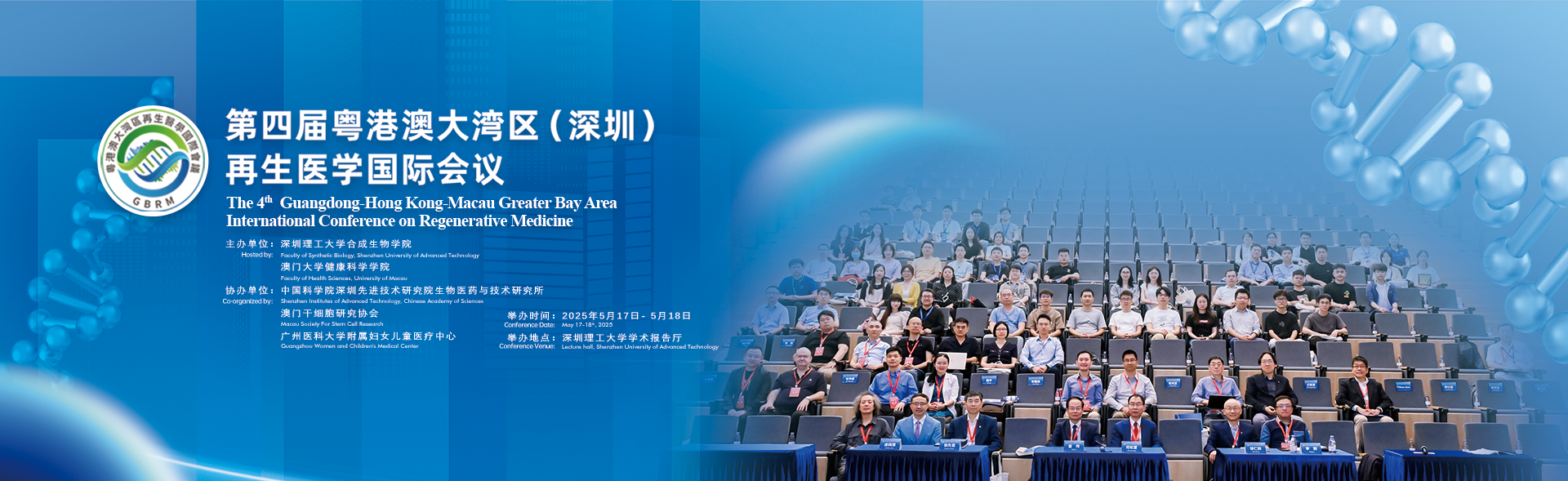
From November 20 to 21, 2025,the 2nd Innovation Forum on Microalgae Synthetic Biology and Biomanufacturing was held at Shenzhen University of Advanced Technology (SUAT). The forum was guided by the Synthetic Biology Branch of the Chinese Society of Biotechnology and the Phycological Society of the Chinese Society for Oceanology and Limnology. It was jointly hosted by the Faculty of Synthetic Biology at Shenzhen University of Advanced Technology (SUAT), the Institute of Emerging Agricultural Technology, and the Institute of Synthetic Biology at the Shenzhen Institutes of Advanced Technology (SIAT), Chinese Academy of Sciences, with co-organization from multiple domestic universities and research institutions specializing in phycology.
The forum, themed “Synthetic Intelligence for Manufacturing, Algae Innovating the Future,” brought together experts and scholars from over 20 domestic universities, research institutions, and leading industry enterprises. Participating experts delivered multiple outstanding reports focusing on frontier topics in microalgal biomanufacturing, attracting more than 200 outstanding young scholars and innovative talents. The event aimed to jointly promote innovative development in microalgal synthetic biology and biomanufacturing, explore new paths for deep integration of industry, academia, and research, and envision new chapters in collaboration.
At the intersection of the deepening global “dual carbon” strategy and the accelerating rise of the biomanufacturing industry, microalgae—with their unique advantages such as high photosynthetic efficiency, no requirement for arable land, and strong environmental adaptability—are rapidly emerging from a niche field to become a new track in green biomanufacturing, garnering significant attention for their industrial potential and application value.
At the opening of the conference, Dijian Zhu, Party Secretary of Shenzhen University of Advanced Technology (SUAT), emphasized in his address: As a new type of research-oriented university rooted in Shenzhen, Shenzhen University of Advanced Technology (SUAT) places high importance on frontier interdisciplinary disciplines, including synthetic biology. It is actively building world-class research platforms and innovation ecosystems to promote deep integration of industry, academia, research, and application. Microalgal synthetic biology and biomanufacturing represent one of the strategic directions for focused development and committed breakthroughs. It is anticipated that the intellectual exchanges at this forum will inject strong momentum into technological innovation and industrial translation in the microalgal field.
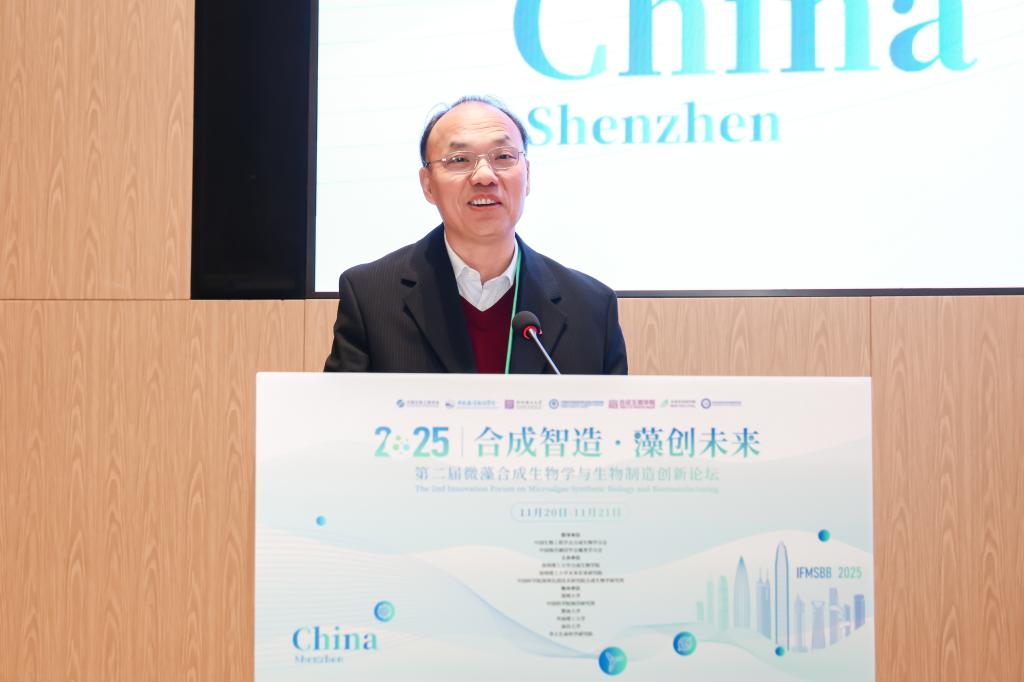
Xian-En Zhang, Dean of the Faculty of Synthetic Biology at Shenzhen University of Advanced Technology (SUAT), Vice Chairman of the Chinese Society of Biotechnology, and Director of the Synthetic Biology Branch, pointed out: Microalgae are pioneer organisms on Earth and key guardians in maintaining ecological balance. In the face of the current severe situation of global warming, microalgae play a leading role due to their remarkable carbon sequestration capabilities. At the same time, microalgae serve as important model organisms in the life sciences. With relatively mature genetic manipulation systems, they play an indispensable role in synthetic biology and biomanufacturing.
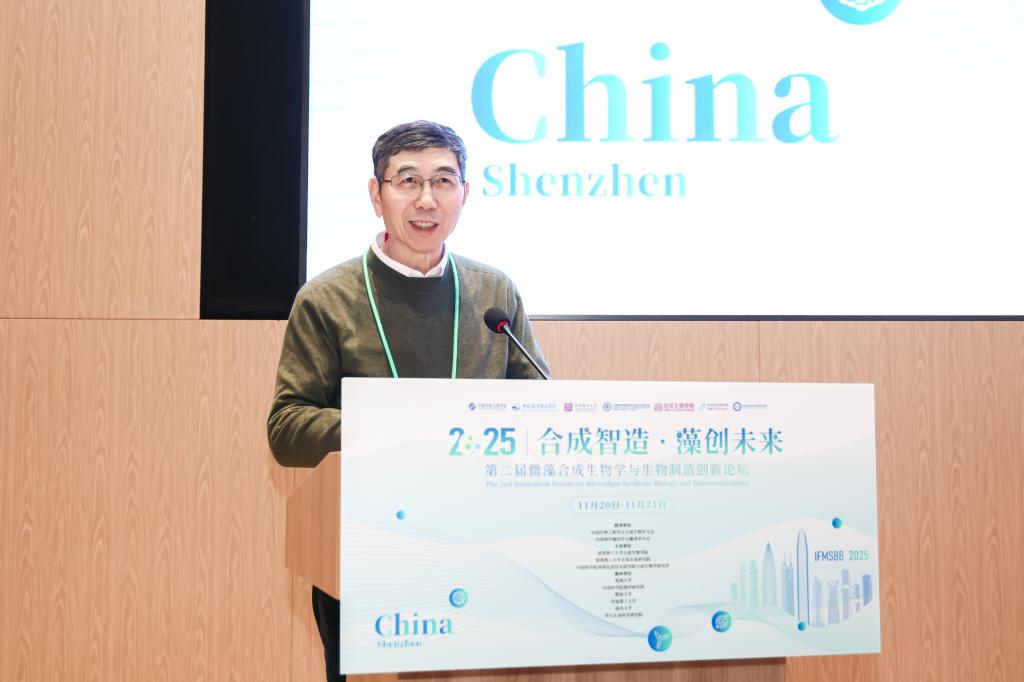
Jianguo Liu, Director of the Phycological Society of the Chinese Society for Oceanology and Limnology and Researcher at the Institute of Oceanology, Chinese Academy of Sciences, mentioned: Discussing the future development of microalgal synthetic biology in Shenzhen highly aligns with the innovative spirit of the city. Microalgae represent a green biological factory harboring immense treasures, participating in maintaining global biosphere cycles of carbon, nitrogen, oxygen, and other substances. It is hoped that through the exchanges and interactions at this forum, algal wisdom and strength can contribute to addressing global common challenges.
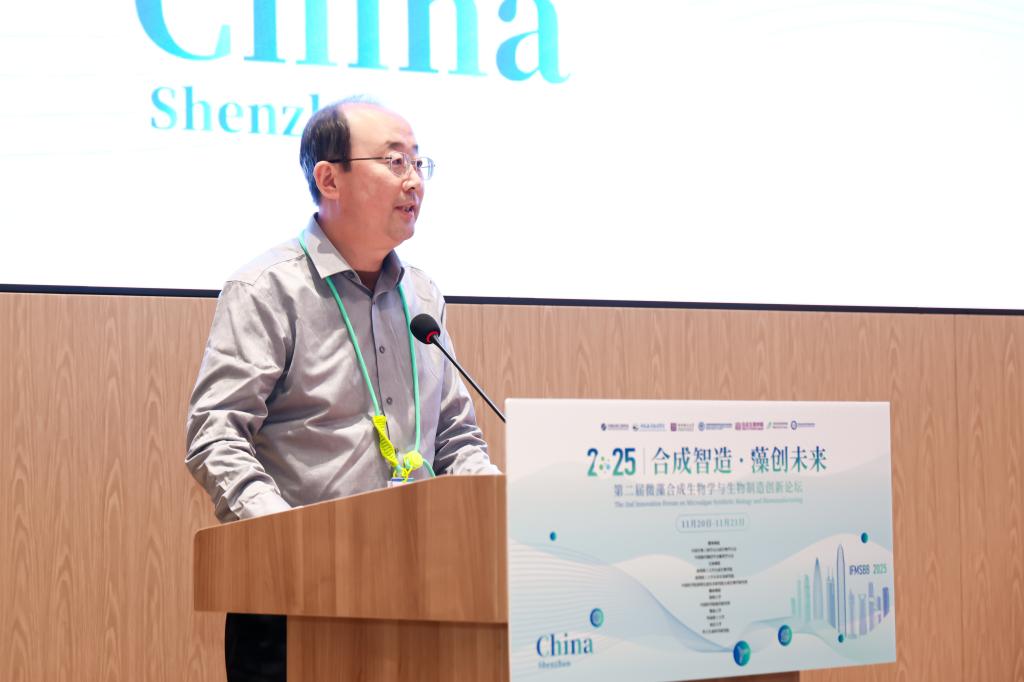
Qiang Hu, Chair Professor of the Faculty of Synthetic Biology and Director of the Department of Bioengineering at Shenzhen University of Advanced Technology (SUAT), stated: Algae serve as highly efficient cellular factories capable of producing bulk raw materials such as proteins, lipids, and starches, while also synthesizing a variety of high-value products. We organize this forum annually with the aim of establishing an open and shared platform that brings together diverse stakeholders to jointly explore and collaborate, thereby advancing the construction, improvement, and development of the entire ecosystem chain for algal technologies—from research and development to products, and from production to application. Only in this manner can microalgal biomanufacturing make substantial contributions to the development of China's bio-intelligent manufacturing economy and the enhancement of public health. The opening ceremony was hosted by Bing Li, Deputy Director of the Office of Scientific Research and Industry at Shenzhen University of Advanced Technology.
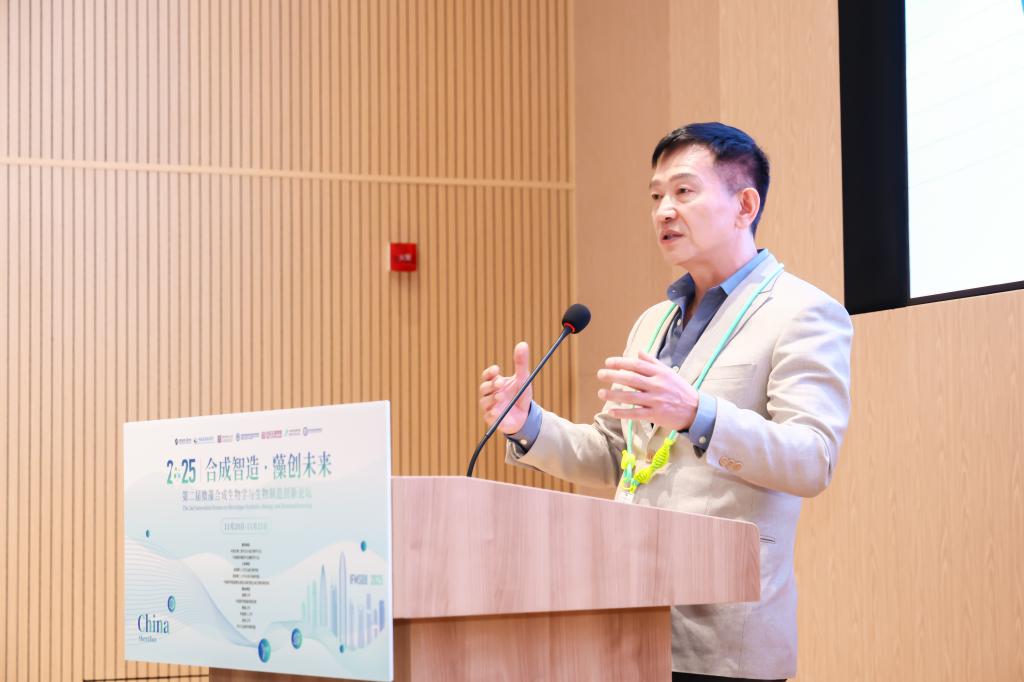
The forum focused on full-chain innovation topics in microalgal biomanufacturing, including large-scale production, cellular factory construction, light-driven carbon sequestration intelligent manufacturing, and the development and utilization of high-value products. It encompassed key links from upstream activities such as genome editing and synthetic biology tool development, efficiency enhancement and system optimization for light-driven carbon sequestration, and rational design and construction of efficient chassis cells, to downstream processes involving biomass acquisition and large-scale intelligent manufacturing of high-value products. The roundtable discussions revolved around three propositions: “Dilemmas and Solutions in Microalgal Germplasm Innovation,” “Crossing Boundaries: The Role and Mission of Scientists at the Industrial Frontier,” and “Opportunities and Challenges in Building an Ecosystem Chain for Microalgal Biomanufacturing and Applications.” Participating experts shared cutting-edge research breakthroughs and industrialization experiences, engaging in in-depth discussions on industry opportunities and challenges, jointly envisioning prospects for collaboration, and aiming to build consensus while guiding new directions in microalgal biomanufacturing.
In addition, the forum's dedicated postgraduate excellent poster exhibition session yielded fruitful results, with young scholars from various universities and research institutions demonstrating impressive performances, fully showcasing the research potential and innovative spirit of the new generation. After intense competition, the following awards were conferred: Wenjie Huang (Shenzhen University of Advanced Technology (SUAT)) and Qintao Wang (Qingdao Institute of Bioenergy and Bioprocess Technology, Chinese Academy of Sciences) received the First Prize for Posters; Jing Zhang (Nanchang University), Yanhai Gong (Qingdao Institute of Bioenergy and Bioprocess Technology, Chinese Academy of Sciences), Hongyu Tan (Fujian Agriculture and Forestry University), Wenting Yang (Institute of Oceanology, Chinese Academy of Sciences), Shijun Liu (Institute of Hydrobiology, Chinese Academy of Sciences), and Gehui Liu (Shenzhen University) received the Second Prize for Posters; Haoming Li (Institute of Hydrobiology, Chinese Academy of Sciences), Hai Liu (Sichuan University), Ting Zhang (Shenzhen Institutes of Advanced Technology (SIAT), Chinese Academy of Sciences), Jing Li (Institute of Oceanology, Chinese Academy of Sciences), Jing Liu (Harbin Normal University), and Yu Wang (Southern University of Science and Technology) received the Third Prize for Posters; Kaiyu Ma (Tianjin University), Yan Li (Jiangsu University), Bingsai Xu (South China Sea Institute of Oceanology, Chinese Academy of Sciences), Hengshen Chao (Shenzhen University), Qunju Hu (Zhejiang Ocean University), and Yao Hu (Nanchang University) received the Excellence Award for Posters; High school student Jiang Wenchen (Beijing Qingmiao International Bilingual School, Haidian Sijiqing Campus), as the youngest participant in algal research at this forum, received the Special Award for Posters.
The successful hosting of this forum not only highlighted cutting-edge breakthroughs in microalgal synthetic biology and biomanufacturing but also effectively promoted high-level academic dialogue and collaborative innovation among industry, academia, and research. Furthermore, through specialized seminars and poster exhibitions, it provided valuable platforms for exchange and presentation to young scholars. Looking ahead, we will continue to gather global expertise, accelerate the transformation of frontier breakthroughs into new productive forces driving industrial upgrading, and cultivate a continuous stream of new talent for the sustainable development of the field.



 Address: No. 1 Gongchang Road, Guangming District, Shenzhen
 Tel: 0755 8880 2424
 Email: synbiofaculty@suat-sz.edu.cn
 Postal Code: 518107