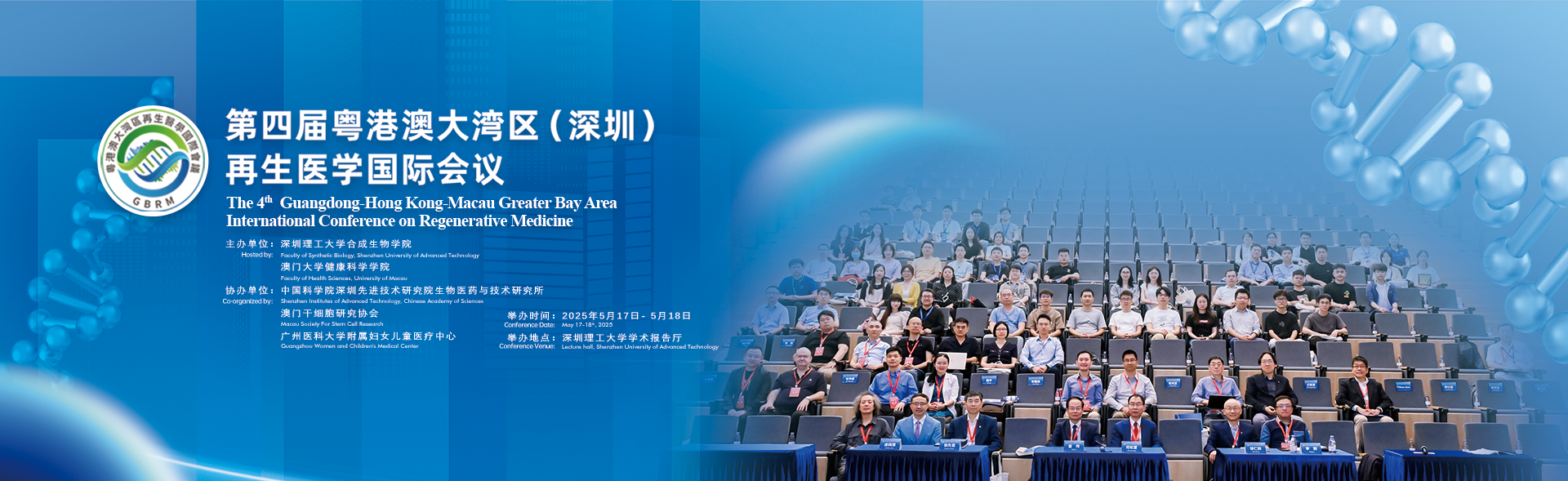
On April 9, the Chinese Society of Biotechnology Symposium on Synthetic Biology was held at Shenzhen University of Advanced Technology.Nearly 200 experts and scholars from universities and research institutes across China, together with members of the Synthetic Biology Branch of the Society, gathered to discuss the latest scientific advances and emerging trends in the discipline, creating a high-level platform for academic exchange in synthetic biology.
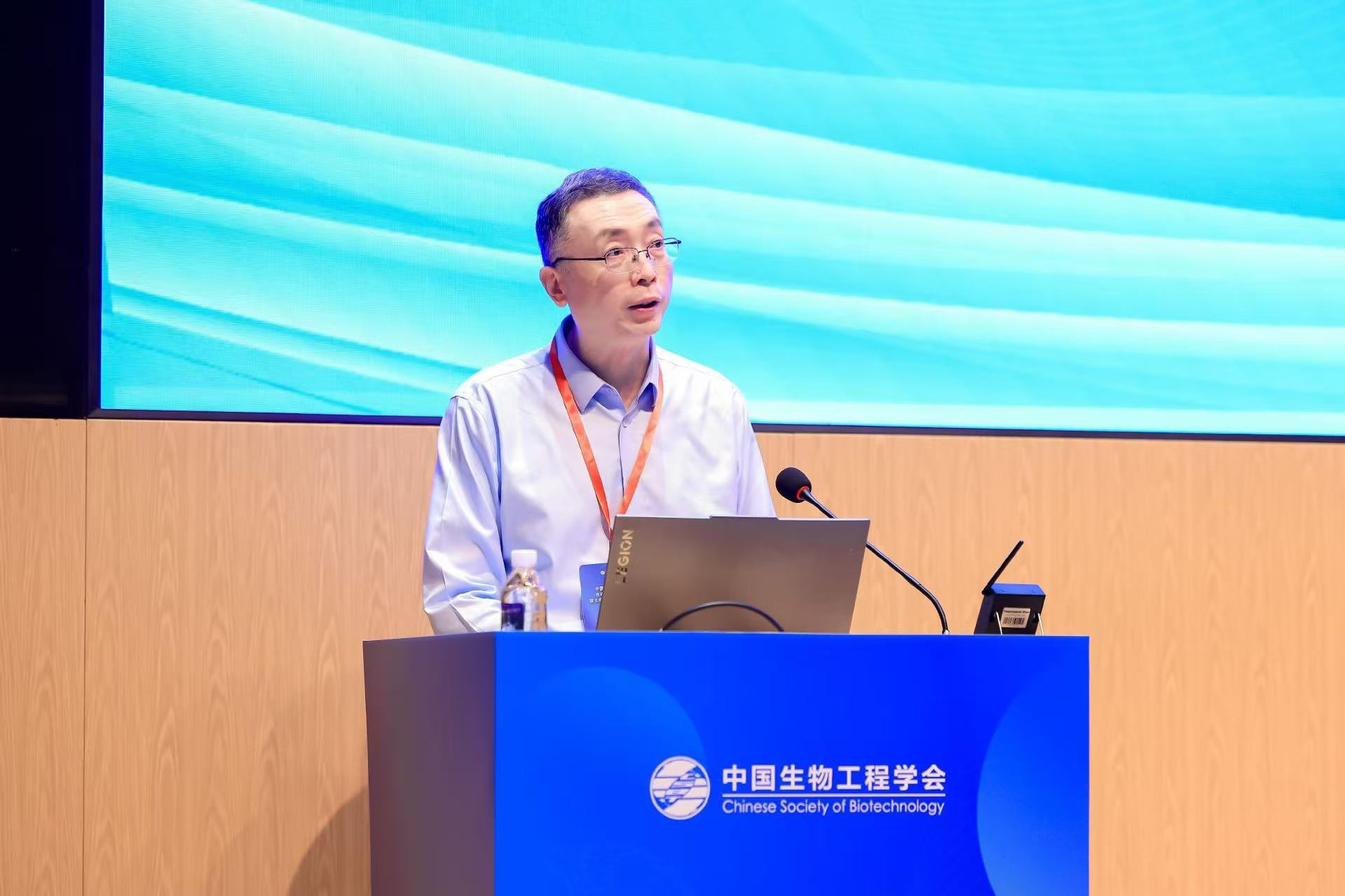
Zhang Hongxiang, Secretary-General of the Chinese Society of Biotechnology, stated that biomanufacturing has been included as a key future industry in China’s 15th Five-Year Plan. As the foundational technology of biomanufacturing, synthetic biology is accelerating from basic research to industrial application, achieving breakthroughs in biomedicine, green chemicals, modern agriculture, environmental protection and energy, and providing critical support for the green development and low-carbon transformation of industries.“The Chinese Society of Biotechnology will continue to align its work with national strategic priorities, focusing on biomanufacturing and synthetic biology, strengthening industry–academia–research collaboration, and accelerating the translation of scientific achievements into practical applications.”
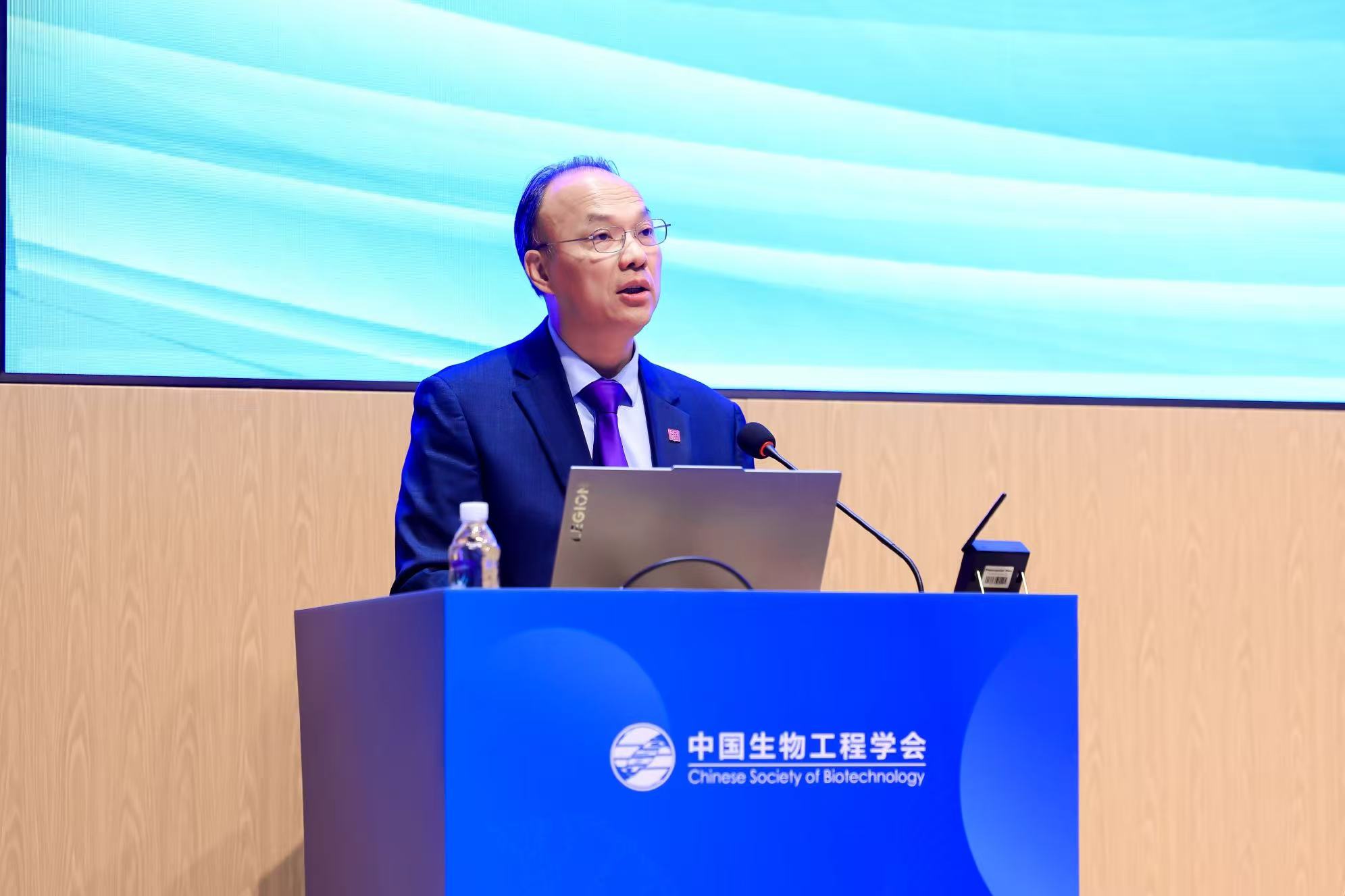
Zhu Dijian, Party Secretary of Shenzhen University of Advanced Technology, stated, “The long-term development of life sciences hinges onthe coordinated advancement of education, science and technology, and talent development”. Only by continuously nurturing young talents with global competitiveness can China achieve steady and far-reaching progress in this strategic frontier field. As a new-type research university, SUAT has always adhered to the educational philosophy of integrating science and education as well as industry and education, positioning synthetic biology as a key development direction.“The University will further deepen close cooperation with the Chinese Society of Biotechnology and sister institutions, jointly building a highland for innovative talent cultivation and contributing greater wisdom to the prosperous development of synthetic biology in China and around the world.”
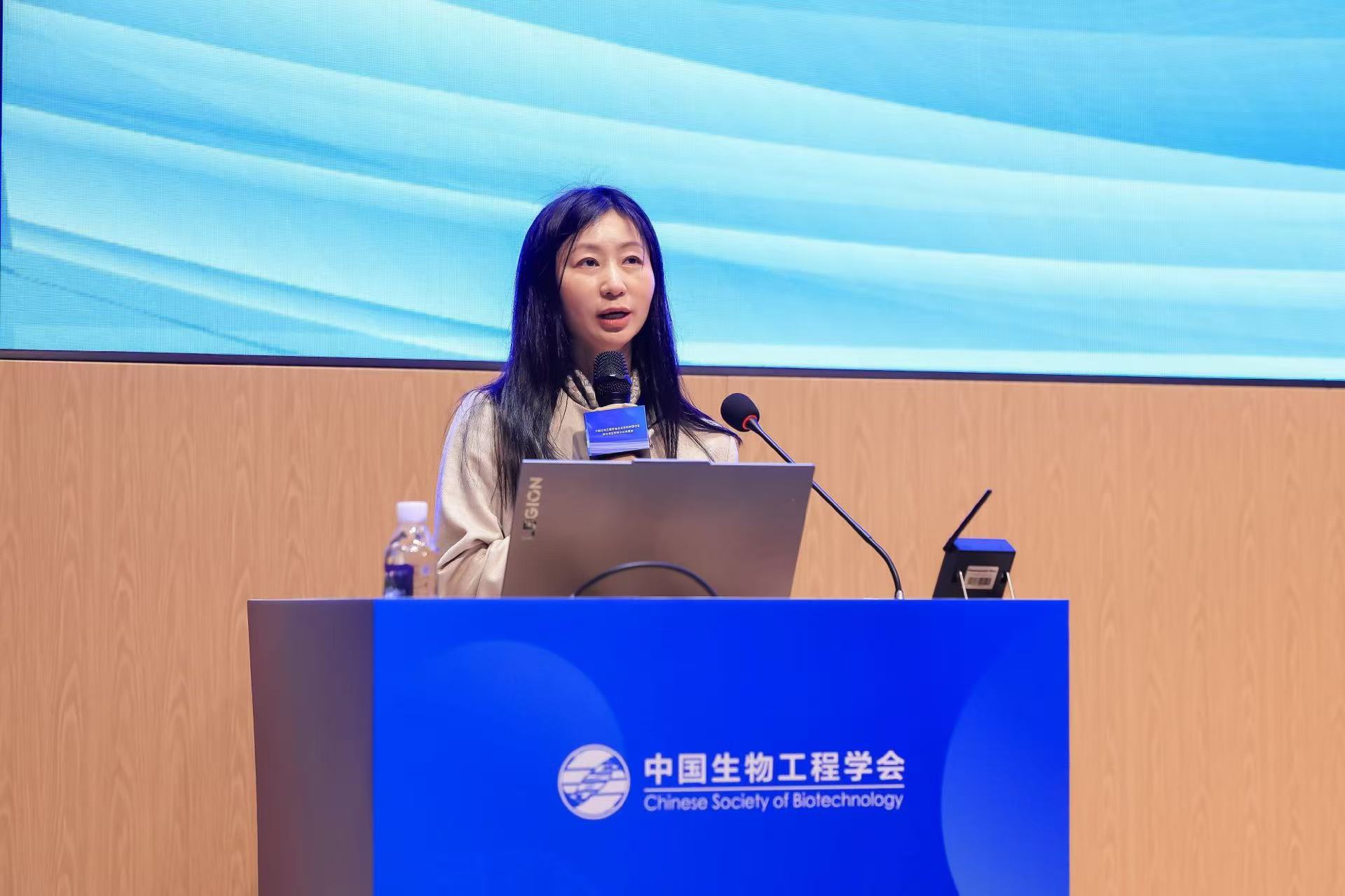
At the conference,the English version of theSynthetic Biology Roadmap 2030 (hereinafter referred to as the “Roadmap”) was formally launched.Zhang Xian-En, head of the Roadmap research team, Vice Chairman of the Chinese Society of Biotechnology, Chair of its Synthetic Biology Branch, and Chair Professor at Shenzhen University of Advanced Technology, noted that the publication was jointly developed by more than 120 experts from China and abroad. The project involved two years of collaborative drafting followed by more than a year of translation and refinement before its official release in March 2026.The Roadmap is the first publication to systematically conceptualize synthetic biology as an academic discipline and provide a comprehensive disciplinary framework for national planning, scientific research, teaching, science popularization, and international exchange. It has been selected into the “Classic China International Publishing Project”.The English version has been made freely available worldwide.“This book is the Chinese version of the international synthetic biology development roadmap, providing an important reference framework for the global development of synthetic biology,”said Wang Jing, Deputy Editor-in-Chief of Science Press.
New progress of the SynBio Challenges was also a key focus of this conference. Zhang Xianen, Chairman of the SynBio Challenges Organizing Committee, noted that the SynBio Challenges, organized by the Chinese Society of Biotechnology and jointly initiated by Shenzhen University of Advanced Technology, the Shenzhen Institutes of Advanced Technology (SIAT), Chinese Academy of Sciences, and other partners, wasselected this year as an Implementation Initiative under UNESCO’s International Decade of Sciences for Sustainable Development (2024–2033), making it one of 25 initiatives from China chosen for the programme. Its scientific rigor, innovation, public welfare nature, and strong organizational capability are the key reasons for the competition’s rapid recognition by all parties. “Starting with 24 teams in its inaugural edition, the SynBio Challenges has expanded to 280 participating teams from universities and research institutions in China and overseas in its fourth edition in 2025. While learning from international experience, we have developed our own Chinese innovation model,” becoming a flagship platform showcasing the innovation capabilities of Chinese students.
Shahbaz Khan, Director and Representative of UNESCO Regional Office for East Asia, highlighted the significant contribution of synthetic biology to sustainable development, and noted that the SynBio Challenges closely reflects the vision of the Decade of Sciences and provides an important platform for international collaboration and knowledge sharing He emphasized, “Scientific innovation must balance ethical inclusiveness and social responsibility.UNESCO will continue to support open, responsible, and inclusive scientific innovation, inspiring young talents to safeguard a sustainable future for humanity and the planet with cutting-edge technologies.”
In the keynote report session, Academician Huang He of the Chinese Academy of Engineering and Professor at Nanjing Normal University delivered a presentation titled“Synthetic Biology as a Driver of Innovation in Biomanufacturing”. Drawing on examples such as erythritol and sialic acid, he illustrated how synthetic biology reduces production costs, accelerate commercialization, and create new opportunities in areas such as food, nutrition, and health. He emphasized,“The greatest benefit synthetic biology brings us is the ability to utilize non-model microorganisms, shifting from being an ‘all-round champion’ to becoming a ‘specialized champion’.”He called on the academic community to focus on strain innovation, tool innovation, and platform innovation, pursue differentiated and high-barrier development paths, and truly transform cutting-edge technologies into industrial momentum.
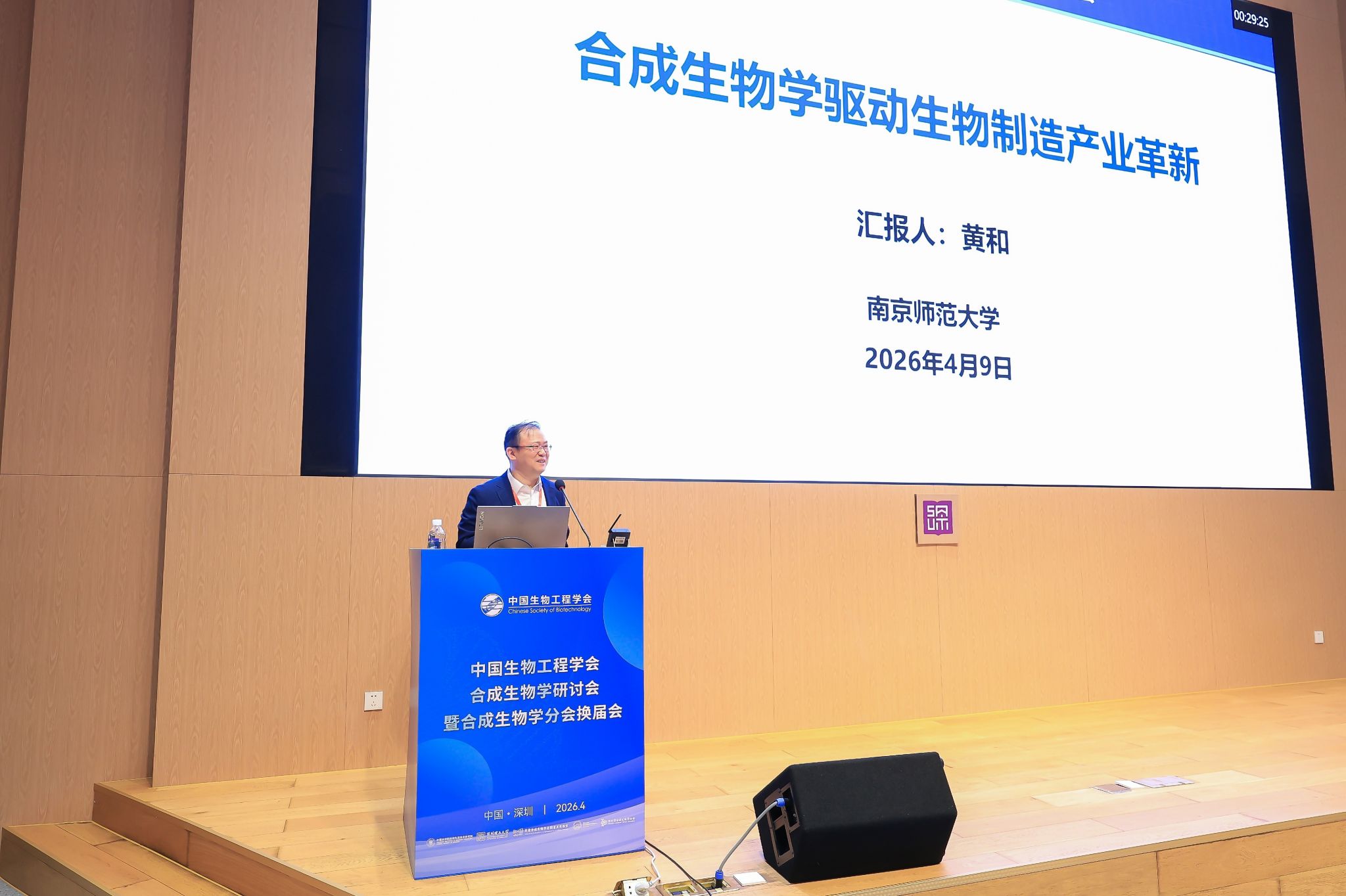
Eleven experts and scholars from institutions including Tsinghua University, Zhejiang University, Shenzhen University of Advanced Technology, and the Shenzhen Institutes of Advanced Technology of the Chinese Academy of Sciences delivered thematic reports. They exchanged the latest research progress and shared technological achievements and practical experience around cutting-edge directions such asAI-driven protein mining and evolution, novel programmable nuclease research, synthetic gene circuit design and application, precision medicine and genetic control engineering, and vaccine synthetic biology.
In recent years, the Faculty of Synthetic Biology at Shenzhen University of Advanced Technology has made significant advances in key areas of synthetic biology, delivering a series of landmark research achievements. Several of these innovations have already been commercialized through Shenzhen-based biomanufacturing companies, contributing to the development of a vibrant synthetic biology ecosystem in the city.
This conference was hosted by the Synthetic Biology Branch of the Chinese Society of Biotechnology and co-organized by the Shenzhen Institutes of Advanced Technology of the Chinese Academy of Sciences, Shenzhen University of Advanced Technology, the State Key Laboratory of Quantitative Synthetic Biology, the National Industrial Innovation Center for Bio-manufacturing (NIICB), and the Shenzhen Synthetic Biology Association.



 Address: No. 1 Gongchang Road, Guangming District, Shenzhen
 Tel: 0755 8880 2424
 Email: synbiofaculty@suat-sz.edu.cn
 Postal Code: 518107